
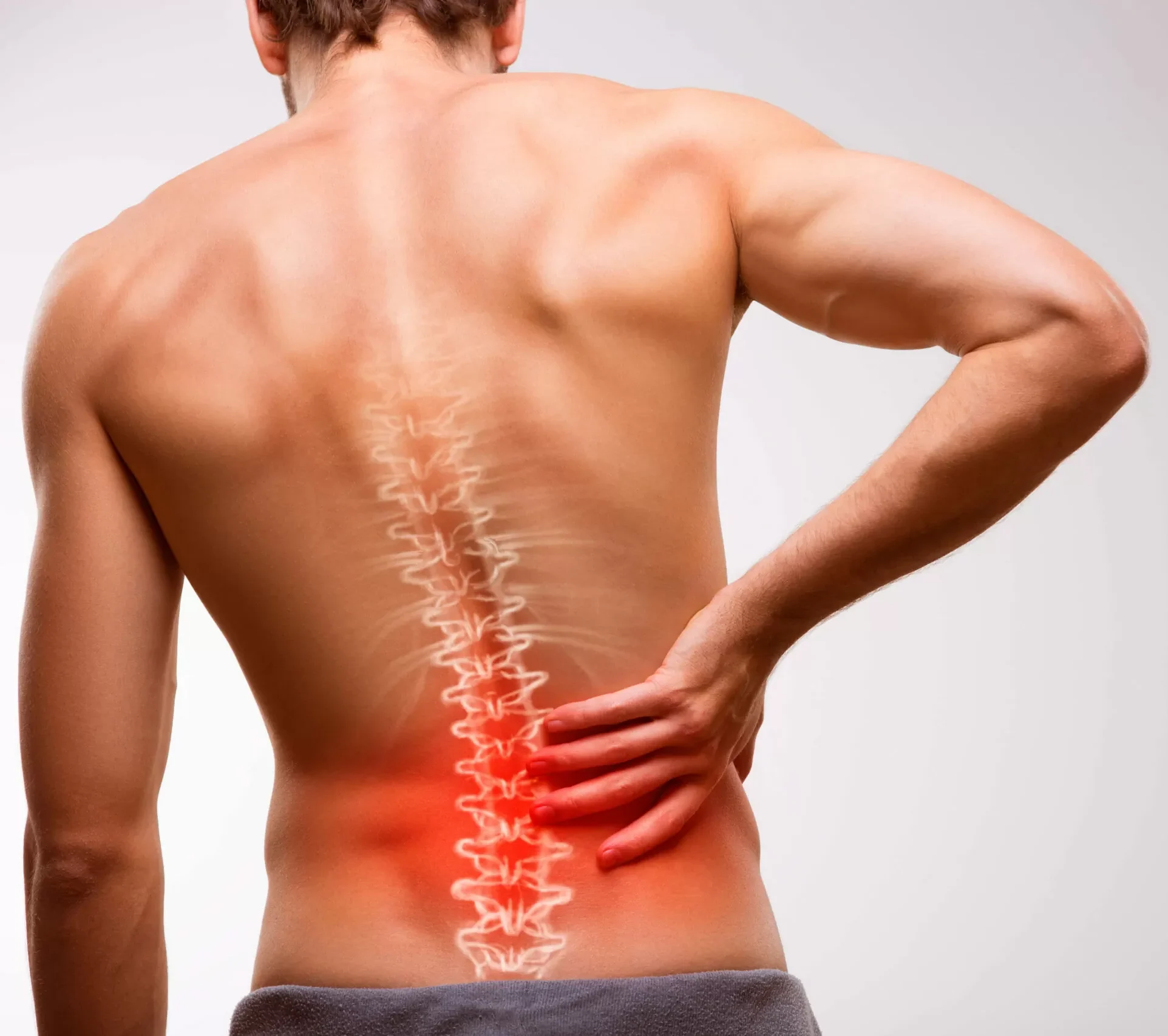
Have you ever experienced a sharp, shooting pain traveling from your lower back through your buttock and down
your leg? Perhaps you’ve noticed tingling, numbness, burning, or weakness in one leg.
If so, you may be experiencing sciatica, a common and sometimes debilitating condition affecting millions of
Americans. Many cases improve with conservative treatment, including appropriate chiropractic care, exercise, and
lifestyle modifications.
What Is Sciatica?
The sciatic nerve is the largest nerve in the human body. It originates from nerve roots in the lower spine and travels
through the buttocks and down each leg. Sciatica occurs when nerve roots contributing to the sciatic nerve become
irritated or compressed, producing symptoms that typically affect one side of the body. Pain may radiate into the
calf, ankle, or foot.
5 Common Causes of Sciatica
- Herniated or Bulging Discs A herniated disc can irritate or compress nearby spinal nerve roots, resulting in
radiating leg pain. - Spinal Stenosis Narrowing of the spinal canal or nerve openings can contribute to pain, numbness, and
weakness. - Degenerative Disc Changes Age-related changes in discs and joints may reduce the space available for nerves.
- Spondylolisthesis When one vertebra slips relative to another, it can sometimes narrow the spaces surrounding
spinal nerves. - Deep Gluteal Muscle Compression Structures in the buttock region may irritate or compress the sciatic nerve,
producing similar symptoms.
5 Ways to Help Relieve Sciatica - Seek a Proper Chiropractic Evaluation An examination can help identify the source of symptoms. When
appropriate, treatment may include spinal manipulation, gentle mobilization, therapeutic exercises, and postural
recommendations. Results vary with the underlying cause. - Keep Moving – Gently! Prolonged bed rest is generally discouraged. Short, comfortable walks and gentle
movements can help maintain flexibility. Avoid activities that significantly increase radiating leg pain. - Improve Your Sitting Posture Use a supportive chair, keep your feet comfortably positioned, and take frequent
standing or walking breaks. - Practice Appropriate Stretching and Strengthening Exercises targeting the lower back, hips, abdominal
muscles, and gluteal muscles may improve spinal support. Not every stretch is appropriate for every patient. - Avoid Repetitive Bending, Twisting, and Heavy Lifting Bend through your hips and knees, keep objects close
to your body, and avoid movements that reproduce sharp leg pain.
When Should You Seek Professional Help?
Sciatica deserves assessment when symptoms persist, return, or interfere with walking, sleeping, or everyday
activities. An examination may include orthopedic and neurological testing, strength, reflexes, and sensation.
Imaging may be recommended when indicated.
Important: New or worsening leg weakness requires prompt medical assessment. Loss of bladder or bowel control,
numbness around the groin or saddle region, or rapidly progressing neurological symptoms require immediate
emergency medical attention.
Can Chiropractic Care Help?
For appropriately selected patients, chiropractic care may be part of a conservative treatment program. Evaluating
spinal mobility, muscular function, posture, and movement patterns can guide a plan to reduce discomfort and
improve function. Not every case is appropriate for spinal manipulation; some require medical referral or additional
treatment.
Take the First Step Toward Relief!
Living with sciatica can make sitting, walking, driving, or sleeping uncomfortable. Early evaluation, appropriate
treatment, and healthy movement habits can make a meaningful difference.
If you are suffering from lower back pain, shooting leg pain, tingling, or numbness, schedule a chiropractic
consultation today and take the first step toward better spinal health and improved mobility